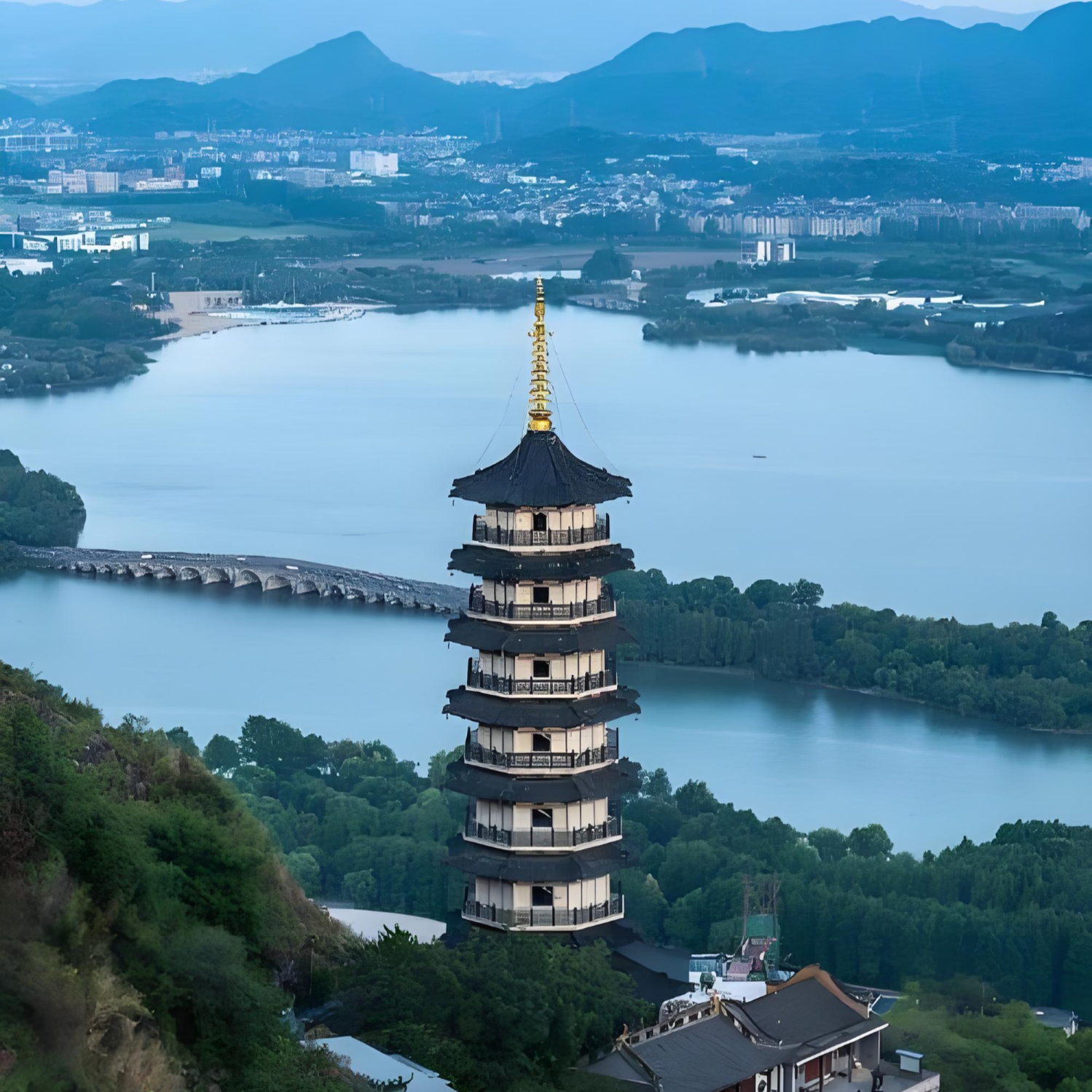


贺铸的一生行迹(1052-1125)
贺铸(1052-1125),字方回,号庆湖遗老,卫州(今河南卫辉)人,北宋词人。出身武职世家,为人豪侠尚气,貌奇丑而才高。曾任泗州通判等职,晚年退居苏州。其词兼具豪放与婉约,尤以《青玉案》"一川烟草,满城风絮,梅子黄时雨"传诵千古,人称"贺梅子"。
卫州(1052) · 卫州少年
宋仁宗皇祐四年(1052年),贺铸出生于卫州(今河南卫辉)。其家世为武职,先祖贺怀浦、贺令图皆以武职显赫。贺铸少时便有侠气,博览群书,又好武略。据传他容貌奇丑,身长七尺,面铁色,眉目耸拔,人称"贺鬼头"。
开封(1075) · 京洛游侠
宋神宗熙宁八年(1075年),贺铸入京任右班殿直,开始了在开封的仕宦生涯。然而他性格刚直不阿,不愿逢迎权贵,仕途屡遭排挤。在开封期间,他与苏轼、黄庭坚等人交游,文名日盛。
和州(1085) · 仕途蹭蹬
宋神宗元丰八年(1085年),贺铸出任和州管界巡检,负责地方治安。这是他第一次担任地方实际职务。在和州期间,他勤于政务,缉盗安民,政绩颇著。然而巡检之职卑微,与他远大的抱负相去甚远,内心深感不平。
徐州(1095) · 仕途蹭蹬
宋哲宗绍圣二年(1095年),贺铸任徐州宝丰监钱官,管理铸钱事务。在徐州期间,他仍不忘文学创作,与当地文人交游唱和。此时他已年过不惑,仕途无望,渐生退意。
太平州(1105) · 东山词笔
宋徽宗崇宁四年(1105年),贺铸出任太平州通判。太平州即今安徽当涂,为李白终老之地。贺铸在此追慕诗仙遗风,写下多首感怀之作。然而通判之职仍非他所愿,他多次上书请求外调,终未如愿。
苏州(退隐)(1109) · 苏州归隐
宋徽宗大观三年(1109年),贺铸以承议郎致仕,退居苏州。他在苏州横塘筑室而居,自号庆湖遗老,以读书著述自娱。退隐后的贺铸虽远离朝堂,却创作了大量优秀词作,迎来了文学创作的又一高峰。
常州(1115) · 苏州归隐
宋徽宗政和五年(1115年),贺铸一度寓居常州,与当地文人交游。他在常州仍不废吟咏,词风日趋沉郁。此时他已年过花甲,回首一生仕途蹭蹬,感慨万千。
苏州(病逝)(1125) · 苏州归隐
宋徽宗宣和七年(1125年),贺铸病逝于苏州,享年七十四岁。他一生仕途蹭蹬,却以词名垂青史。其《东山词》存词二百八十余首,风格兼具豪放与婉约,在北宋词坛独树一帜。尤以《青玉案》传诵千古,"贺梅子"之名永载文学史册。
The Life Journey of He Zhu, the Plum-Rain Poet
He Zhu (1052-1125), styled Fanghui, the 'Old Man Left by Qinghu Lake,' came of a military house, was famously ugly and famously proud, and served thirty years in petty posts. His 'Eastern Hill Lyrics' hold both the swagger of 'Six Prefectures Song' and the mist of the 'Green Jade Table' — 'a plain of misted grass, a city of willow-fluff, plum-yellow rain' — which won him his lifetime name: He the Plum-Seed.
Timeline of the Journey
- 1052 · 卫州 — Born in Weizhou of a clan of officers; a boy of books and swordsmanship both — 'the young traveler of the eastern hill.'
- 1075 · 开封 — A minor guardsman's commission in Kaifeng: too blunt to please, he drank with Su Shi's circle and waited. 'Her dainty steps never cross Hengtang road.'
- 1085 · 和州 — Patrol inspector at Hezhou — chasing bandits by night; and the heaviest of his poems, 'Half-dead Wu-tong,' mourning his dead wife by the gate of Changmen.
- 1095 · 徐州 — Supervisor of coin at Xuzhou past forty, promotion hopeless; plum-yellow rain over Hengtang settled into the words that named him.
- 1105 · 太平州 — Vice-prefect of Taipingzhou — Dangtu, where Li Bai ended; chasing the immortal's shadow down the river.
- 1109 · 苏州 — Retired to Suzhou and Hengtang, 'Old Man of Qinghu,' a room by the water and two hundred and eighty ci to finish.
- 1115 · 常州 — A stretch of years at Changzhou, older, darker: 'the partridge sky' for the wife who never came back in his dreams.
- 1125 · 苏州 — Died at seventy-four in Suzhou. The sword never drawn for the state, the words immortal — 'if you ask how much sorrow: a plain of misted grass.'
'One plain of misted grass, a city full of willow catkins, plum-yellowing rain.' A swordsman who never got his war wrote the most-misted retreat in Song lyric — and got a nickname that outlived every office he held.


