

王之涣的一生行迹(688-742)
王之涣(688-742),字季凌,晋阳(今山西太原)人,后徙绛郡。盛唐著名诗人,曾任冀州衡水主簿,去官后漫游黄河上下十五年,晚年复补文安县尉,卒于官。其诗雄浑豪放,惜多散佚,仅存六首,《登鹳雀楼》《凉州词》皆为千古绝唱。
晋阳(688) · 河东少年
武则天垂拱四年(688年),王之涣出生。其先世为晋阳(今山西太原)人,后徙居绛郡。他出身于太原王氏一脉,自幼倜傥任侠,聪颖过人,及长博览经史,尤工诗歌。
衡水(715) · 衡水宦游
唐玄宗开元三年(715年)前后,王之涣以门荫调补冀州衡水县主簿,掌管文书簿籍。任上他清正能干,县令李涤赏识其才华风骨,将第三女许配为妻,一时传为佳话。
蒲州(720) · 漫游河山
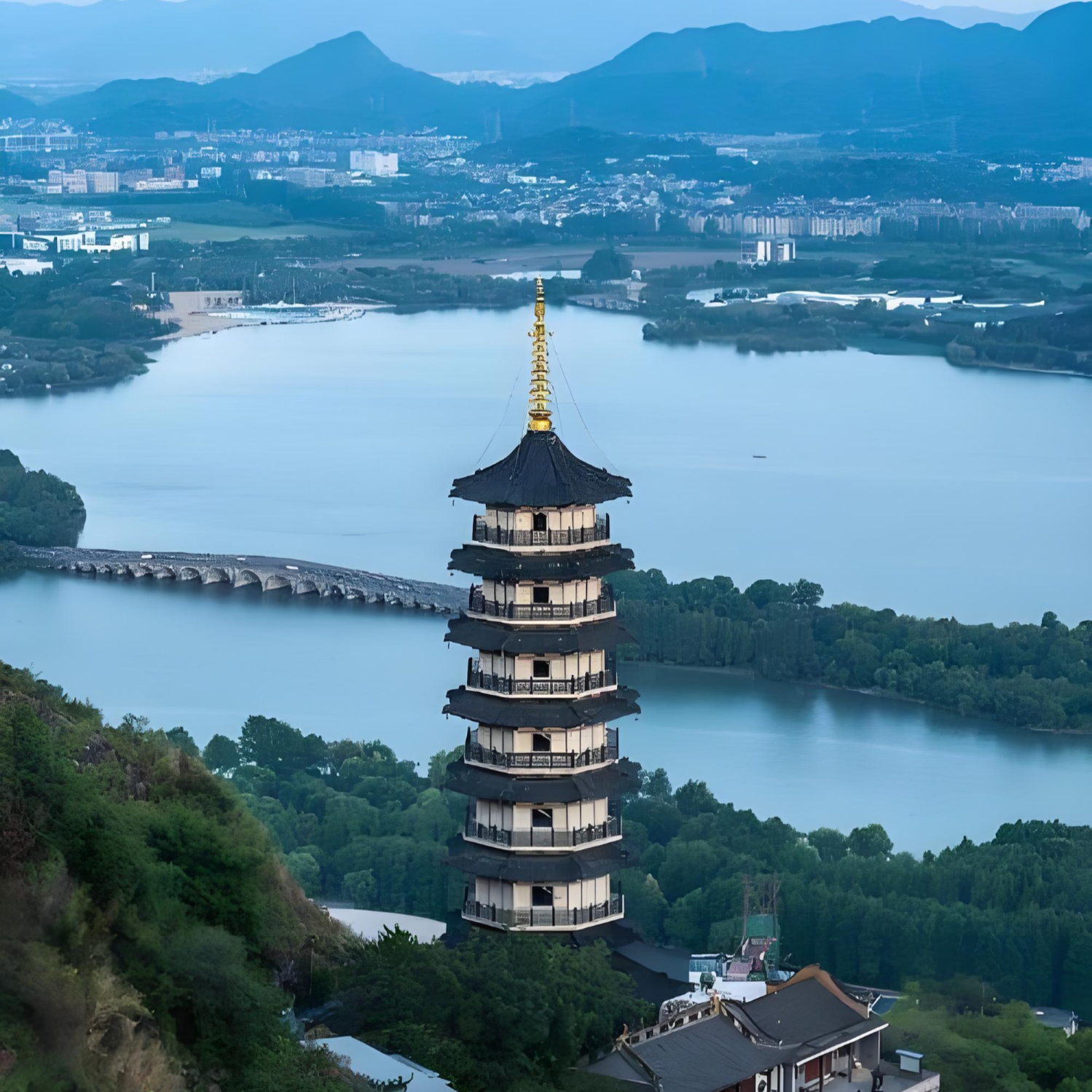
唐玄宗开元八年(720年)前后,王之涣遭人诬谤,愤而拂衣去官,开始漫游黄河两岸。他返归河东故乡,登蒲州鹳雀楼远眺,但见白日依山、黄河入海,挥笔写下千古绝唱《登鹳雀楼》。
玉门关(722) · 漫游河山
唐玄宗开元十年(722年)前后,去官漫游的王之涣沿黄河西上,远至河西走廊与玉门关外。大漠孤城、羌笛怨柳的苍凉景象,催生了他边塞诗的巅峰之作《凉州词》。
拂云堆(723) · 漫游河山
唐玄宗开元十一年(723年)前后,王之涣漫游至河套以北的拂云堆一带。拂云堆上有突厥神祠,黄河北岸的朔漠风光与受降城遗迹,令他写下《凉州词》第二首的雄浑篇章。
邺城(726) · 漫游河山
唐玄宗开元十四年(726年)前后,王之涣漫游河北,行至漳河流域的邺城故地。他凭吊铜雀三台遗迹,在漳河长堤上送别友人,春水桃溪之间写下深婉的《宴词》。
幽州(730) · 漫游河山
唐玄宗开元十八年(730年)前后,王之涣北游幽州蓟城。重阳之日,他在萧瑟的蓟门城外登高送友,菊花酒暖,离绪纷飞,《九日送别》写尽了北地深秋的苍凉别意。
长安(735) · 名动京师
唐玄宗开元二十三年(735年)前后,王之涣寓居长安,与王昌龄、高适齐名交好。一日天寒微雪,三人共诣旗亭饮酒,以歌妓所唱诗篇多少赌胜,留下"旗亭画壁"的千古佳话。
文安(742) · 文安谢幕
唐玄宗天宝元年(742年),家居多年的王之涣复补文安郡文安县尉,在任清廉,颇有政声。同年二月十四日,他忽染疾病,卒于文安县尉官舍,享年五十五岁,天下文人同声悼惜。
The Life Journey of Wang Zhihuan, Two Quatrains for a Thousand Years
Wang Zhihuan (688-742), of the great Wang clan of Jinyang, survives in six poems — and two of them are among the most recited lines in the language: 'Climbing Stork Tower' ('to see a thousand li farther, climb one more story') and 'Liangzhou' ('The Yellow River runs up into the white clouds... the spring wind never crosses Jade Gate Pass'). A county registrar who quit at slander, fifteen years of free travel by the Yellow River, and the famous wine-shop wager with Wang Changling and Gao Shi — the 'flag-pavilion' story — complete the biography.
Timeline of the Journey
- 688 · Jinyang — Born into the Taiyuan Wangs: a gallant, unconventional boy — 'young and chivalrous, at ease with heroic company' — before the books took him over.
- 715 · Hengshui — Registrar of Hengshui by family privilege; so honest and capable that the magistrate gave him his third daughter in marriage.
- 720 · Puzhou — Slandered, he flung off the office and went to the Yellow River. Home to Hedong, up Stork Tower at Puzhou: 'The white sun leans on the mountains; the Yellow River runs into the sea.'
- 722 · Yumen Pass — Up the river and out the corridor: desert, lone city, the Qiang flute complaining of willows — 'Liangzhou' drawn from the very road.
- 723 · Fuyun Dui — North to the great bend of the river and the old Turkish shrine-mound: the second Liangzhou quatrain in its full northern weight.
- 726 · Yecheng — The Three Terraces of Cao Cao's old capital: spring water and peach streams, a farewell on the Zhang river dikes — 'Feast Words,' his softest poem.
- 730 · Youzhou — North again to Jizhou: a Double-Ninth parting outside the Ji gate, chrysanthemum wine, north-country sorrow.
- 735 · Chang'an — In the capital with Wang Changling and Gao Shi: the wine-shop, the singers, the wall secretly marked for each poet's quatrains — the flag-pavilion tale, won when the loveliest voice of all sang 'The Yellow River runs up into the white clouds.'
- 742 · Wen'an — Back to service: defense officer of Wen'an, clean-handed and praised — dead in office in the second month, fifty-five, universally mourned.
'To see a thousand li farther, climb one more story.' Six surviving poems, two immortal — Wang Zhihuan is Chinese poetry's proof that time keeps nothing but the best.


