

宋之问的一生行迹(656-712)
宋之问(约656-712),字延清,汾州人,初唐诗人。与沈佺期齐名,合称"沈宋",律诗至二人而始定型。依附张易之,中宗复位后贬泷州,后逃归,再贬越州长史。睿宗朝配流钦州,先天元年被赐死于徙所。诗风精工绮密,尤善五律。
汾州(656) · 早年及第
唐高宗显庆元年(656年),宋之问出生于汾州(今山西汾阳)一个官宦之家。其父宋令文以文辞、书法、膂力"三绝"著称于世,宋之问承继家学,自幼才思敏捷,弱冠之年即名闻乡里。
长安(675) · 早年及第
唐高宗上元二年(675年),年方弱冠的宋之问赴长安应试,一举进士及第,从此踏入仕途。此时正当"初唐四杰"驰骋文坛之际,宋之问以精工的对仗与声律崭露头角,为律诗的定型开辟了道路。
洛阳(690) · 武周侍从
武则天天授元年(690年),武周代唐,定都神都洛阳。宋之问以文才受知,先后任洛州参军、尚方监丞、左奉宸内供奉,出入宫禁,扈从游宴,写下大量应制诗篇,成为武周朝最显赫的宫廷诗人。
龙门(洛阳)(701) · 武周侍从
武周大足元年(701年)前后,武则天游幸洛阳龙门香山寺,命随行群臣赋诗纪胜。左史东方虬诗先成,武后赐锦袍;及宋之问《龙门应制》呈上,文理兼美,武后称赏,竟夺锦袍转赐宋之问。
大庾岭(705) · 岭南流窜
唐中宗神龙元年(705年),张柬之等发动政变,张易之兄弟伏诛,宋之问以附逆之罪贬泷州参军。他离开洛阳南行,翻越五岭之首大庾岭,回望中原,写下贬谪途中第一批血泪之作。
泷州(705) · 岭南流窜
唐中宗神龙元年(705年)冬,宋之问抵达贬所泷州(今广东罗定)。此地瘴疠横行、语言不通,中原逐客视之如鬼域。宋之问在此饱尝颠沛之苦,诗风由宫廷的绮丽转向沉痛真切。
汉江(706) · 岭南流窜
唐中宗神龙二年(706年),不堪贬所之苦的宋之问自泷州秘密北逃,途经汉水之滨。故乡已近,音信全无,他不敢向路人打探家中消息,写下流传千古的五绝《渡汉江》。
越州(708) · 越州为政
唐中宗景龙二年(708年),依附武三思而复起的宋之问因典举受贿,被贬为越州长史。他赴任途中遍历江南山水,在越州任上"颇自力为政",遍历会稽名山,政事之余赋诗纪游,诗境为之一新。
杭州(710) · 越州为政
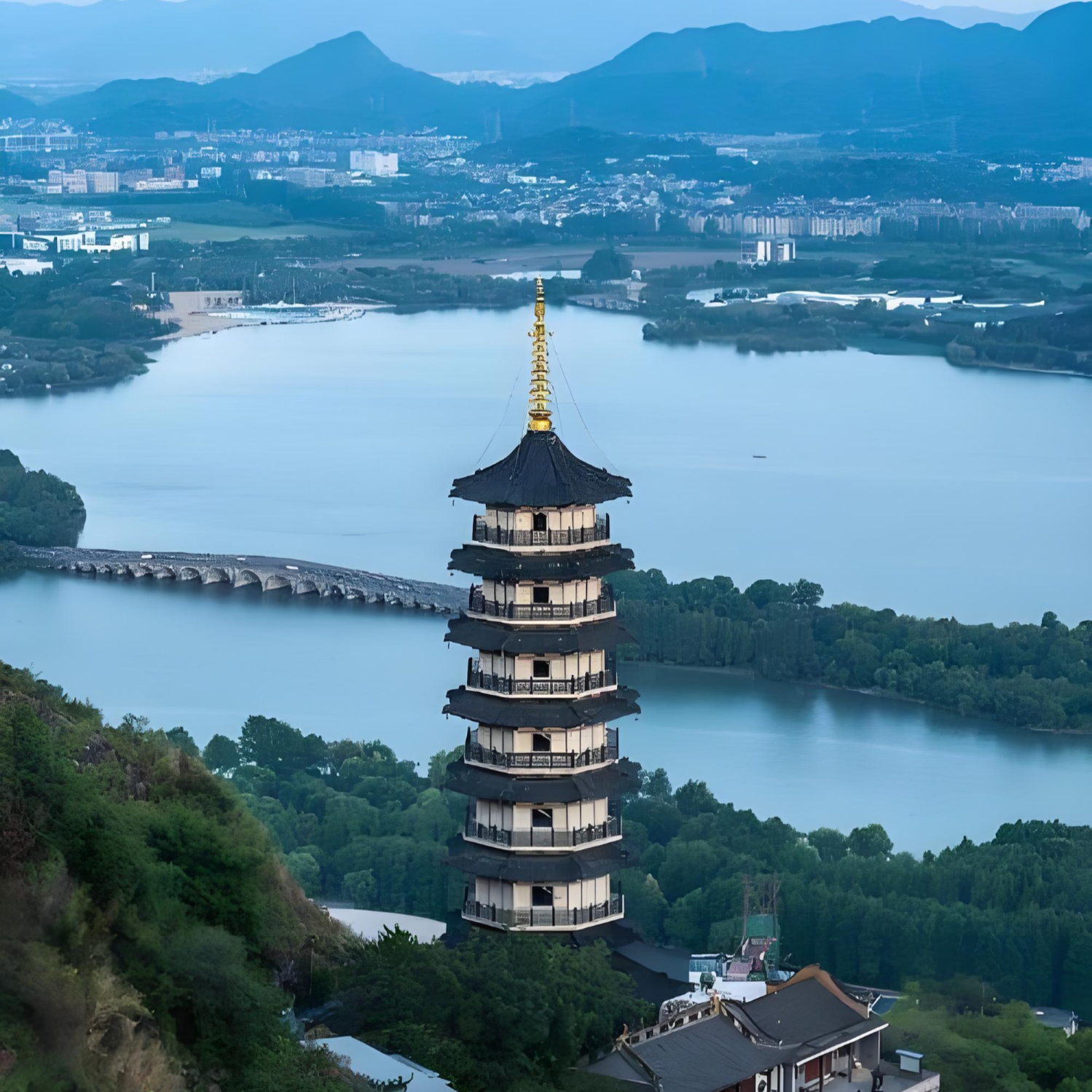
唐中宗景龙四年(710年)前后,宋之问在越州任内南游钱塘,登杭州灵隐寺。观飞来峰之秀、钱塘潮之雄,写下名作《灵隐寺》,其中"楼观沧海日,门对浙江潮"一联雄视古今。
桂州(712) · 赐死蛮荒
唐玄宗先天元年(712年),睿宗朝已配流钦州的宋之问再遭清算,玄宗即位后追治其依附二张、武三思及贪赃之罪,遣使至徙所桂州,赐其自尽。一代律诗名家,客死蛮荒,年约五十七。
The Life Journey of Song Zhiwen, Who Helped Finish the Regulated Poem
Song Zhiwen (c. 656-712), of Fenzhou, was with Shen Quanqi the craftsman who finished the regulated poem — 'Shen-Song,' the founders of the mature lushi. Court poet to the only empress in Chinese history (the robe-transfer at Longmen: his rival's embroidered prize stripped and re-bestowed on his superior verse), courtier to her favorites, exile, escapee ('nearer home, the more I dread to ask'), and finally — strangled by imperial order in the far south: the technique flawless, the life impossible to defend.
Timeline of the Journey
- 656 · Fenzhou — Born to a father famed for three perfections — prose, calligraphy, strength; the son took the first and made it absolute.
- 675 · Chang'an — Jinshi at about nineteen, into the literary bureaucracy: the paired couplets and fixed tones of the new regulated poem taking their final shape partly in his hands.
- 690 · Luoyang — The Zhou dynasty of Wu Zetian: attendant poet in the inner palace, the feast-verses flowing — the most conspicuous court poet of the reign.
- 701 · Longmen — The empress at Xiangshan temple: Dongfang Qiu finishes first, receives the imperial brocade robe — then Song's 'Longmen Response' arrives, and she takes the robe off the winner and gives it to him.
- 705 · Dayu Range — The restoration coup, the Zhang brothers executed, the hangers-on exiled: Song down to Longzhou, over the first of the Five Ridges — the first true exile-poems, blood in place of brocade.
- 705 · Longzhou — The miasma country, the unintelligible speech: the court style cracking into something real and terrible.
- 706 · The Han River — The illegal flight north: home nearer at every stage, no news, no courage to ask — 'Nearer home, timider still; I dare not question the traveler' — the five-character quatrain every Chinese remembers.
- 708 · Yuezhou — Pardoned through patronage, then demoted again for bribery in the examinations: administrator at Yuezhou — governing creditably, roaming Kuaiji's mountains, the style opened at last.
- 710 · Hangzhou — The visit to Lingyin temple: 'Towers watch the sun rise from the sea; gates face the Qiantang tide' — the couplet that lords it over a thousand years of temple verse.
- 712 · Guizhou — The last accounting under Xuanzong: envoys to the place of banishment, the order to die. The finished poet, fifty-seven, strangled at the empire's edge.
'Nearer home, the more I dread to ask.' The quatrain is tender; the author was not — Song Zhiwen is Chinese literature's clearest case that the hand and the man are different creatures.


