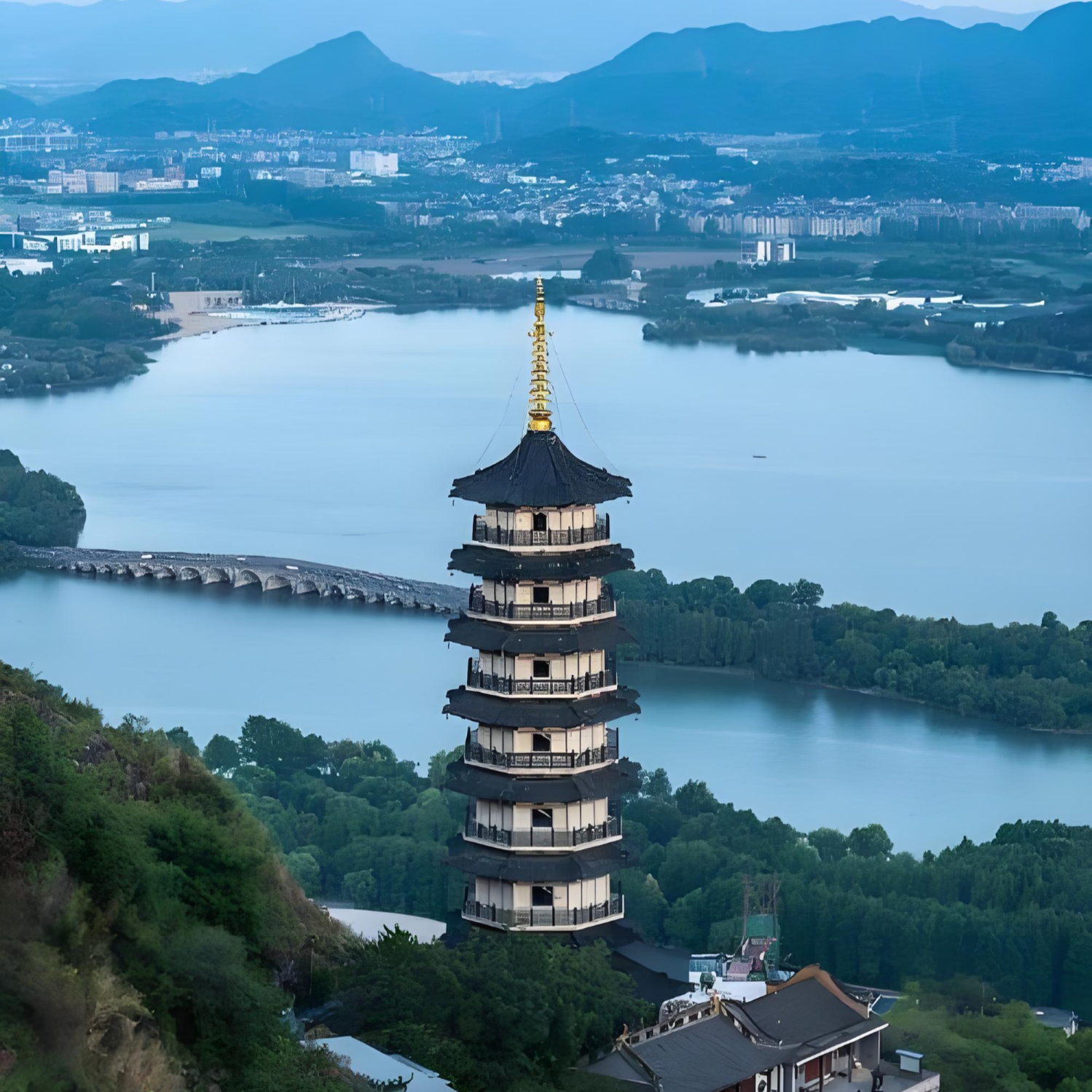


王绩的一生行迹(585-644)
王绩(585-644),字无功,号东皋子,绛州龙门(今山西河津)人,隋末大儒王通之弟。隋末举孝悌廉洁,官秘书省正字、六合县丞;唐初待诏门下省,人称"斗酒学士",又为太乐丞。三仕三隐,终归东皋,躬耕酿酒,自号东皋子。其诗真率疏放,洗尽六朝铅华,《野望》为现存最早的唐人五律。
绛州龙门(585) · 河汾少年
隋文帝开皇五年(585年),王绩出生于绛州龙门(今山西河津)。此地濒临黄河,相传为大禹治水凿龙门之处,山川雄奇。王家是河汾望族,其兄王通后来设教河汾,门人千余,世称"文中子"。
长安(600) · 两京求仕
隋文帝开皇二十年(600年),年方十五的王绩西游长安,拜谒权倾朝野的越国公杨素。他应对敏捷、谈吐不凡,一座皆惊,被杨素赞为"神仙童子",少年才名由此传遍关中。
六合(610) · 两京求仕
隋炀帝大业六年(610年)前后,王绩举孝悌廉洁科,授秘书省正字,不久出为扬州六合县丞。他生性简傲嗜酒,不耐案牍,在任上因嗜酒废事被弹劾,从此看透官场虚伪,心灰意懒。
龙门(归乡)(616) · 乱世归耕
隋炀帝大业十二年(616年),天下大乱,群雄并起。王绩托言中风,弃六合县丞之职,携琴书归隐龙门故里。此后数年他躬耕东皋,与渔樵为伍,在黄河涛声中目送隋王朝走向覆灭。
长安(待诏)(624) · 斗酒长安
唐高祖武德七年(624年)前后,王绩以前朝官员身份应诏入长安,待诏门下省。门下省例给良酝酒三升,他每日有酒可饮,倒也安闲自适,京师之人因此送他一个雅号——"斗酒学士"。
长安(太乐丞)(640) · 斗酒长安
唐太宗贞观十四年(640年)前后,王绩闻太乐署府史焦革善酿美酒,苦苦求得太乐丞一职。焦革死后,其妻袁氏念旧情仍不时送酒;年余袁氏亦亡,王绩仰天长叹"天不使我酣美酒邪",遂挂冠而去。
东皋(641) · 东皋高卧
唐太宗贞观十五年(641年)前后,王绩归隐龙门东皋,自号"东皋子"。他在此筑室临渚,种黍酿酒,与野老渔樵相往还。一个秋日薄暮,他登皋远望,写下被后世推为唐人五律开山之作的《野望》。
东皋(田园)(643) · 东皋高卧
唐太宗贞观十七年(643年),王绩在东皋的隐居生活已臻化境。他自撰墓志,预立遗嘱,以生死为平常事;白日耕读,夜晚弹琴饮酒,与友人王处士等秋夜相逢,写下了充满田园真趣的小诗。
龙门(长逝)(644) · 东皋高卧
唐太宗贞观十八年(644年),王绩在龙门东皋的家中安然辞世,享年六十岁。临终前他自撰墓志铭,自言"才高位下,免责而已;天子不知,公卿不识",以平静诙谐的笔调为自己三仕三隐的一生画上了句号。
The Life Journey of Wang Ji, the First Recluse of the Tang
Wang Ji (585-644), of Longmen on the Yellow River — younger brother of the Confucian master Wang Tong, uncle of Wang Bo — was the first great recluse-poet of the Tang and the first voice of its countryside: his 'Gazing Afar' ('tree after tree, all autumn color; hill after hill, only the sunset') is the opening masterpiece of the regulated five-character poem. He took and left three offices across the Sui-Tang divide, twice purely for the wine attached to them — the 'Dou-of-Wine Scholar' — and wrote his own epitaph: 'talent high, position low — no matter; the emperor does not know me, the ministers do not know me.'
Timeline of the Journey
- 585 · Longmen — Born to the great He-Fen family where the Yellow River cuts the Dragon Gate: a scholar-brother, a hermit's temper, and the Sui empire for a backdrop.
- 600 · Chang'an — At fifteen, presented to the chancellor Yang Su: quick answers, unshakable poise, the court astonished — 'a child-immortal,' the great man said.
- 610 · Liuhe — Text-corrections officer in the Palace Library, then assistant magistrate at Liuhe by Yangzhou: the office lost to wine — twice reprimanded, once impeached — the message received.
- 616 · Longmen — The world in pieces, the Sui dying: he pleaded a stroke, quit Liuhe, and went home with his zither and books to plough at East Bank and watch the river carry the dynasty away.
- 624 · Chang'an — The new Tang dynasty's call to old Sui officials: an expectant post at the Chancellery — where the ration included three sheng of good wine a day. The capital nicknamed him 'the Scholar of the Dou of Wine,' and he found the name exact.
- 640 · Chang'an — Hearing that the music-bureau clerk Jiao Ge brewed the best wine in the capital, he begged the post of assistant director of the Imperial Music — purely to live next to the vat. Jiao Ge died; the widow kept sending the wine; then she died too: 'Heaven will not let me drink beautiful wine!' — and he resigned on the spot.
- 641 · Donggao — The final retirement as 'Master of the Eastern Bank': grain planted for brewing, farmers and fishermen for company — and on an autumn evening, the five-character regulated poem perfected in eight lines of level ground and sunset.
- 643 · Donggao — The last years: his own tomb-inscription drafted ('the emperor does not know me...'), night zither, morning plough, small poems of perfect ordinariness.
- 644 · Longmen — Dead at sixty, his own epitaph standing by the grave: the dynasty's first recluse, its first country poem, and its funniest resignation letter.
'Tree after tree, all autumn color; hill after hill, only the sunset.' The Tang's first great landscape line came from a man who worked for the government three times, exclusively for the wine — Wang Ji founded Chinese pastoral and its drinking culture in one person.


