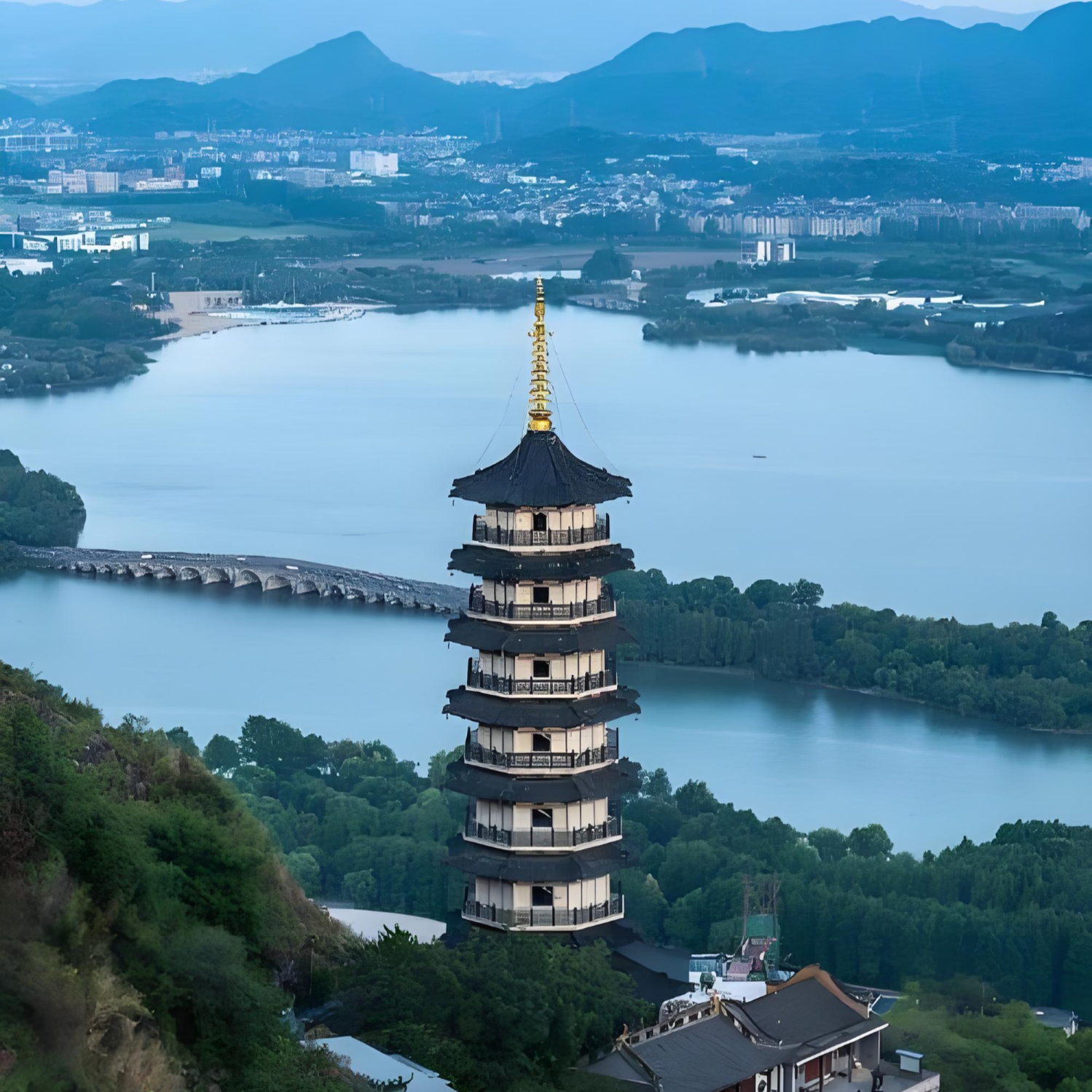


钱起的一生行迹(722-780)
钱起(约722—约780),字仲文,吴兴(今浙江湖州)人,"大历十才子"之冠,与郎士元并称"钱郎"。应试作《省试湘灵鼓瑟》千古传诵。
吴兴(722) · 生平
钱起(约722—约780),字仲文,吴兴(今浙江湖州)人,"大历十才子"之冠,与郎士元并称"钱郎"。应试作《省试湘灵鼓瑟》千古传诵。
生平纪略
- 约722 · 吴兴 — 钱起字仲文,生于吴兴(今浙江湖州)。早年工诗,与包何、包佶等齐名,时人称"前有沈宋,后有钱郎"(钱起、郎士元)。
- 751 · 进士及第 — 天宝十年(751)举进士,试帖诗《省试湘灵鼓瑟》"善鼓云和瑟,常闻帝子灵……曲终人不见,江上数峰青",为省试诗中千古第一绝唱。相传此联得自鬼谣,京师传为佳话,主司李暐深嘉赞美,击节吟咏久之,曰:"此必有神助之耳。"
- 约753 · 蓝田尉 — 及第后初任秘书省校书郎,乾元年间任蓝田县尉。蓝田乃王维辋川别业所在,钱起与王维过从唱和,诗受其冲淡清空一脉浸润,有《蓝田溪与渔者宿》等作。
- 约760s · 大历年间 — 入朝任司勋员外郎、祠部员外郎等职,与卢纶、司空曙、苗发等号"大历十才子",且为其冠冕。其诗多饯送酬唱,格调清奇,"鹊惊随叶散,萤远入烟流"等句为时人传诵。
- 约780 · 卒于长安 — 约卒于建中初,年约五十八。高仲武《中兴间气集》评其诗"员外(钱起)诗格新奇,理致清赡……文宗右丞(王维)许以高格"。有《钱考功集》传世。
The Life Journey of Qian Qi, Whose Last Line Never Ended
Qian Qi (c. 722-c. 780), of Wuxing, wrote the most famous examination poem in Chinese history. The set theme at the 751 jinshi was 'The Xiang Spirit Plays the Zither'; his final couplet — 'The music ends; the player is not to be seen — on the river, a few peaks, blue' — was said by legend to have been given him by a ghost, and by the examiners to have outdone every court poet alive. Head of the 'Ten Talents of the Dali Era,' half of the 'Qian-Lang' pairing, friend and heir of Wang Wei at Lantian: the age's finest ear, on loan from the spirit world.
Timeline of the Journey
- c. 722 · Wuxing — Born to the Qian family of Wuxing by Lake Tai: the young stylist famous at home before the capital had heard of him.
- 751 · Chang'an — The jinshi examination of Tianbao ten, and the 'Xiang Spirit' theme: the examination hall poem that broke the rules — a masterpiece where a routine was required. 'The music ends... a few peaks, blue' — the examiners passed him on the spot, and the legend of the ghost who supplied the couplet began the same day.
- c. 753 · Lantian — County defender at Lantian near the capital: the country of Wang Wei's Wangchuan, the older poet's friend and correspondent — the quiet style deepened by the quietest master of the age.
- c. 760s · Chang'an — The Dali years: back in the capital's offices of records and rites, first name among the Ten Talents, and with Lang Shiyuan the pairing everyone quoted: 'Before them, Shen and Song; now, Qian and Lang.'
- c. 780 · Chang'an — Dead at the capital near sixty: the Ten Talents' crowned head — and one couplet that has never stopped ending since it began.
'The music ends; the player is not to be seen — on the river, a few peaks, blue.' Twelve characters that Chinese critics have ranked with the best in the language: Qian Qi is the proof that an examination can, once in a dynasty, produce a miracle.


