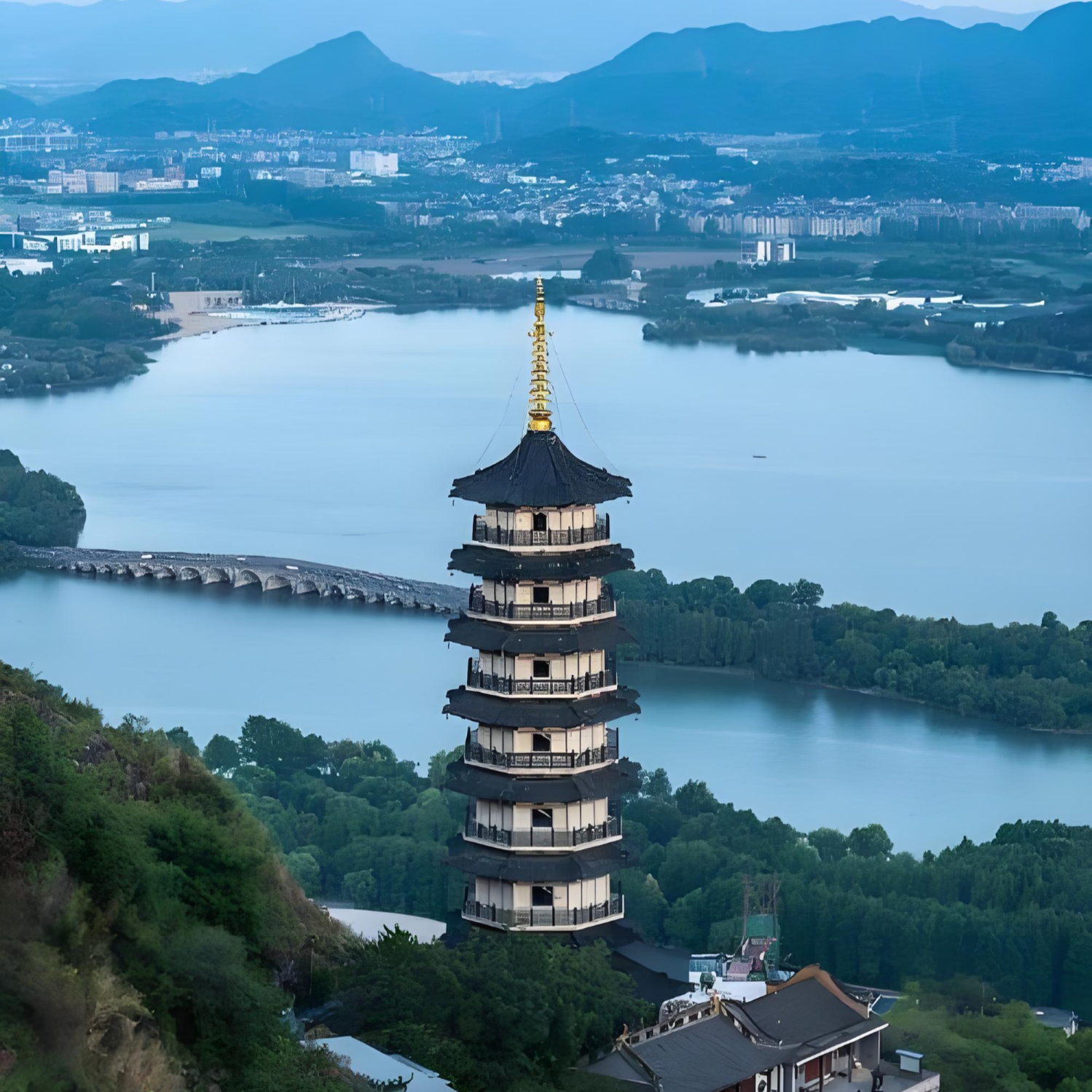


孟浩然的一生行迹(689-740)
孟浩然(689-740),名浩,字浩然,湖北襄阳人,唐代著名山水田园诗人。他与王维并称"王孟",诗风清新自然,意境淡远。一生未曾入仕,以布衣终老,世称"孟山人"。
襄阳(689) · 襄阳隐居
武则天永昌元年(689年),孟浩然出生于襄阳城内一个世代书香之家。襄阳地处汉水中游,山川形胜,文风鼎盛,他自幼在此读书习字,为日后的诗歌创作打下深厚根基。
鹿门山(705) · 襄阳隐居
唐中宗神龙年间,青年孟浩然隐居襄阳城外的鹿门山,与友人张子容等一同读书赋诗、游山玩水。鹿门山是汉末名士庞德公的隐居之地,孟浩然在此追慕前贤,淡泊自守。
洞庭湖(720) · 漫游求仕
唐玄宗开元八年(720年)前后,孟浩然离开襄阳,沿江而下漫游洞庭湖一带,观览潇湘云梦之胜。壮阔的湖光山色激发了他的豪情,也让他萌生了出仕济世的念头。
洛阳(727) · 漫游求仕
唐玄宗开元十五年(727年),年近四十的孟浩然离开家乡北上洛阳,谋求入仕机会。在洛阳他结识了一批文人名士,诗名渐起,随后决定前往长安参加科举考试。
长安(728) · 长安失意
唐玄宗开元十六年(728年),孟浩然赴长安应试,不幸落第。他滞留长安期间与王维、张九龄等交游唱和,诗名震动京师,却因一句"不才明主弃"触怒唐玄宗,断了仕进之路。
建德江(730) · 吴越漫游
唐玄宗开元十八年(730年),科举失意的孟浩然离开长安,南下漫游吴越,沿富春江、新安江行至建德江。清丽的江南山水抚慰了他的失意,也成就了他山水诗的巅峰之作。
越州(731) · 吴越漫游
唐玄宗开元十九年(731年),孟浩然继续游历浙东,至越州(今绍兴)、剡溪一带,寻访谢灵运等前代山水诗人的遗迹。浙东的青山剡水令他流连忘返,在此盘桓近三载。
襄阳(归隐)(733) · 归隐终老
唐玄宗开元二十一年(733年),孟浩然结束漫游回到襄阳。时张九龄任荆州长史,曾辟他为幕府从事,但他不久即辞归,重过田园隐居生活,与故人诗酒唱和。
襄阳(长逝)(740) · 归隐终老
唐玄宗开元二十八年(740年),王昌龄遭贬途经襄阳,孟浩然与之相见欢饮,因食鲜疾发,不久背疽发作而逝,享年五十二岁。一代山水田园诗宗,在故乡山水间走完了淡泊一生。
The Life Journey of Meng Haoran, the Layman of the Xiang
Meng Haoran (689-740), of Xiangyang, the 'Master Meng of the Hills,' was the first great poet of rivers-and-fields, with Wang Wei half of the 'Wang-Meng' pair. One failed examination, one interview ruined by a line — 'lacking talent, the wise ruler casts me aside' — and a lifetime of pure travel: 'Spring dawns, everywhere birds sing,' twenty words that taught China how to wake up.
Timeline of the Journey
- 689 · 襄阳 — Born in Xiangyang on the Han; the hill-town boy with books and water in his ear.
- 705 · 鹿门山 — Young retirement at Deer-gate Mountain where Pang Degong had hidden — 'returning at night to Deer-gate,' the hermit's bell far off.
- 720 · 洞庭湖 — Down the river to Dongting, the lake 'steaming into clouds and dreams' under his eyes, the appeal to Chancellor Zhang.
- 727 · 洛阳 — North at nearly forty to Luoyang, the network, the reputation — 'the road to Luoyang' — then on to the capital.
- 728 · 长安 — Failed; lingering among the great — Wang Wei, Zhang Jiuling — his name filling the capital, but 'lacking talent, the wise ruler casts me aside; so much sickness keeps me from old friends' — the poem that (in legend) met Xuanzong's ears and closed the door.
- 730 · 建德江 — East to Wu-Yue, mooring on the Jiande river: 'the wild plain wider than the trees; the clear moon nearer than a man' — homesickness set to water.
- 731 · 越州 — Up the Shan stream, the Ruoye, after Xie Lingyun's ghosts: 'boating on Ye creek' — the hills answering the earlier masters.
- 733 · 襄阳 — Home for good; a brief turn in Zhang Jiuling's Jingzhou staff, then fields again — 'passing an old friend's farm: green mountains beyond, white water winding.'
- 740 · 襄阳 — Wang Changling, demoted, came through Xiangyang; they feasted on fresh fish against the doctor's word — the sore broke, and Meng died at fifty-two, the dynasty's one spotless layman.
'Spring sleeps past dawning; everywhere, birds are heard.' No other poem so small has taught so many to hear: Meng Haoran failed one examination and passed everything else.


