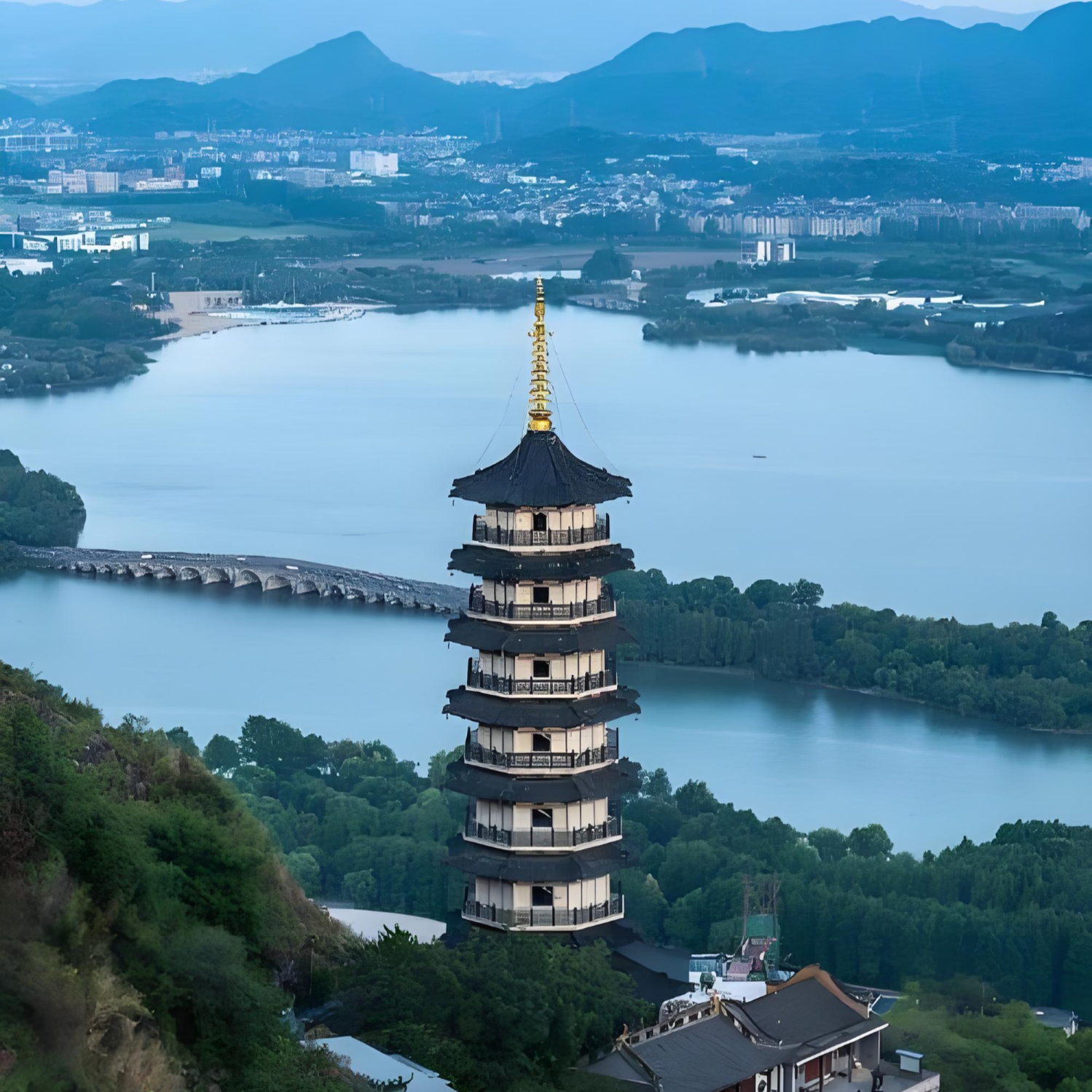


王沂孙的一生行迹(约1240-约1290)
王沂孙(约1240-约1290),字圣与,号碧山,又号中仙,会稽(今浙江绍兴)人,南宋遗民词人。宋亡后隐居不仕,与周密、张炎、王易简等并称"宋末四大家"。其词以咏物寄托亡国之悲,比兴深微,意蕴幽远,为遗民词之绝唱。
绍兴(1240) · 会稽少年
约宋理宗嘉熙四年(1240年),王沂孙出生于会稽(今浙江绍兴)。绍兴为南宋文化重镇,陆游故里,文风鼎盛。王沂孙少年时代受浙东文化熏陶,博览群书,尤精于词章。其家世不详,但应有一定文化背景。
杭州(1260) · 碧山词客
约宋理宗景定元年(1260年),王沂孙游历临安,在杭州文坛崭露头角。他与周密、张炎等人交游,以词名世。在临安期间,他目睹了南宋末年政治的腐败与社会的动荡,心中忧患日深。
绍兴(宋亡)(1276) · 亡国之痛
宋恭帝德祐二年(1276年),元兵入临安,南宋灭亡。王沂孙在绍兴闻讯,悲痛欲绝。他的家园沦于敌手,故国不再,从此开始了遗民生涯。他在绍兴隐居不仕,以词抒发亡国之痛。
杭州(遗民聚会)(1279) · 遗民唱和
宋帝昺祥兴二年(1279年),崖山海战宋军覆没,南宋彻底灭亡。消息传至杭州,王沂孙与周密、张炎、唐珏等遗民在西湖边聚会哭祭。他们以词当哭,联唱《水龙吟·白莲》等咏物词,将亡国之痛寄托于物象之中。
绍兴(隐居)(1282) · 遗民唱和
元至元十九年(1282年),王沂孙在绍兴山中隐居。他拒绝了元朝的征召,以布衣终老。在山中他过着清苦的生活,白天种菜浇花,夜间秉烛填词。他的词作越来越沉郁悲凉,将遗民之痛化为最精美的词章。
杭州(碧山词集)(1285) · 碧山绝唱
元至元二十二年(1285年),王沂孙的词作被友人整理为《碧山词》刊行。其词以咏物寄托遗民之恨,比兴深微,意境幽远,被张炎评为"琢语最工,意最苦"。
绍兴(晚年)(1288) · 碧山绝唱
约元至元二十五年(1288年),王沂孙晚年仍在绍兴隐居,与张炎等遗民故旧保持书信往来。他的健康状况日益恶化,但词笔不减。在生命的最后几年中,他写下了多首追忆故国的绝笔之作。
绍兴(辞世)(1290) · 碧山绝唱
约元至元二十七年(1290年),王沂孙在绍兴病逝,享年约五十岁。他一生以词为命,以遗民终老,将亡国之痛化为宋词最后的光辉。其《碧山词》与《乐府补题》传世,成为南宋遗民文学的不朽遗产。
The Life Journey of Wang Yisun, Last Light of the Song Lyric
Wang Yisun (c. 1240-c. 1290), of Kuaiji, was the last great lyricist of the Song — a loyalist who survived his dynasty by a decade and sang its fall in a code of flowers, moons and cicadas. With Zhou Mi, Zhang Yan and the other exiles of Hangzhou he joined the linked 'Supplement to the Music-Bureau' sessions after the conquest — the white lotus, the dragon-incense, the new moon each carrying the murdered dynasty inside it. Zhang Yan's verdict on the Bishan Lyrics has never been bettered: 'the most worked language, the bitterest meaning.'
Timeline of the Journey
- 1240 · Shaoxing — Born at Kuaiji, Lu You's home country — the cultural heart of the shrinking empire, books everywhere and the end already near.
- 1260 · Hangzhou — Into the temporary capital's literary circles: Zhou Mi, Zhang Yan, the last flowering of the Southern Song lyric before the fall.
- 1276 · Shaoxing — The Yuan into Lin'an, the boy-emperor taken north: home occupied, the dynasty gone — the rest of his life dated from these weeks.
- 1279 · Hangzhou — News of the sea-battle of Yashan: the last Song fleet drowned with the child-emperor. The loyalists gathered weeping by the West Lake — the linked object-lyrics of the 'Supplement to the Music-Bureau,' the white lotus 'shattered jade' rising from the lake, every image an elegy.
- 1282 · Shaoxing — The Yuan summons refused: mountain life, vegetables watered by day, lyrics by candlelight — the grief compressed into the most finished surfaces in the language.
- 1285 · Hangzhou — The Bishan Lyrics printed by friends: the 'Cicada' ('one severed limb, the jade still cupped in the other'), the 'New Moon' ('do not ask of the deeper meaning'), the whole lost empire inside the ornament.
- 1288 · Shaoxing — The last years, ill, corresponding with Zhang Yan: the letters and the lyrics keeping the lost world's address book alive.
- 1290 · Shaoxing — Dead at about fifty, the dynasty's last flame banked to ash: 'the most worked language, the bitterest meaning' — the epitaph a friend wrote, and the whole school's.
'The green locust trees are swept away; only the severed cicada still holds the cold.' The lyric's last school wrote its empire's death in insects and moonlight — Wang Yisun is the code's finest hand.


