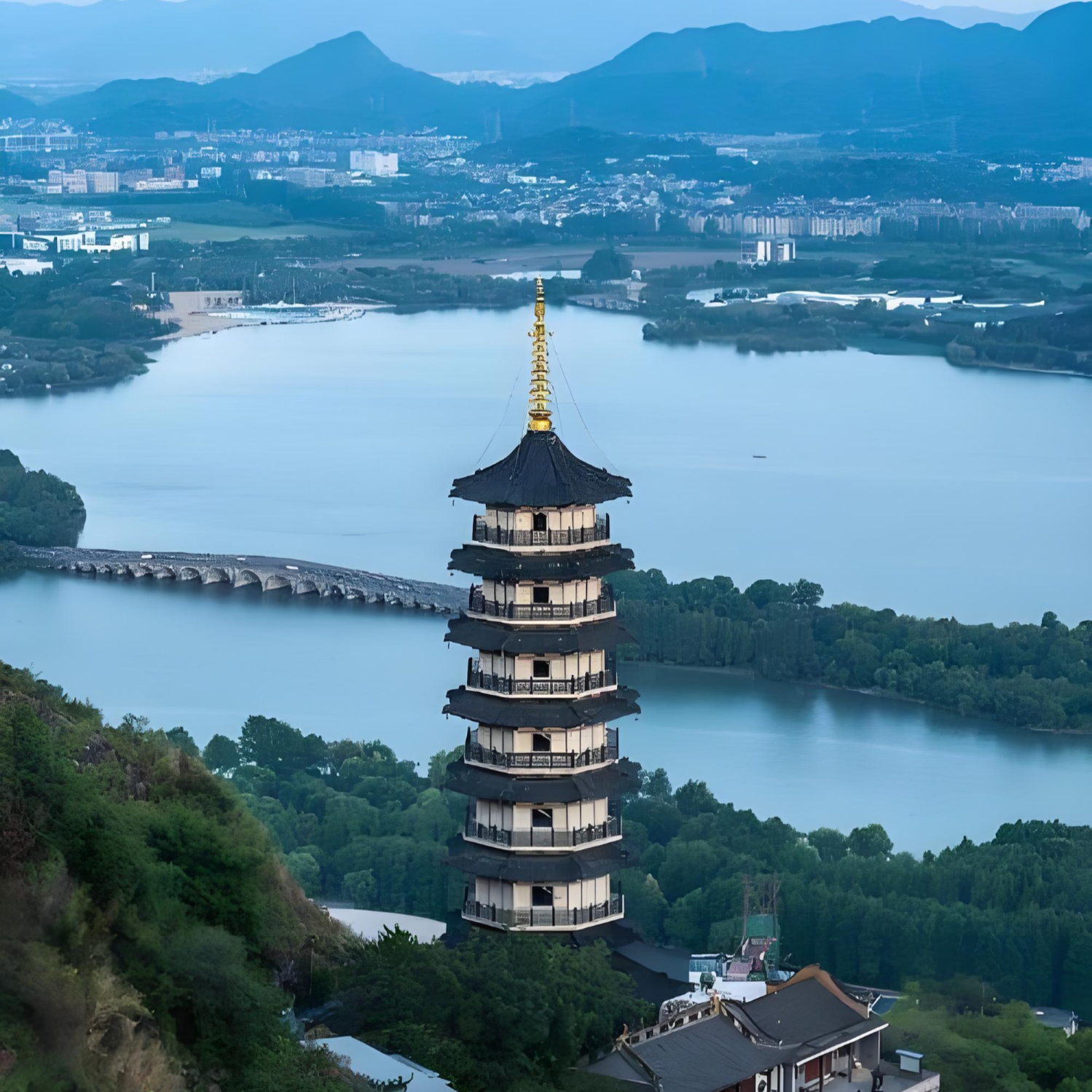


叶梦得的一生行迹(1077-1148)
叶梦得,字少蕴,号石林居士,苏州吴县人,南宋著名词人、学者。词风从早期婉丽转向南渡后的雄浑苍凉,与苏轼词风一脉相承。著有《石林词》《石林燕语》等,在词学、史学上均有建树。
苏州(1077) · 苏州少时
宋神宗熙宁十年,叶梦得出生于苏州吴县,其家为书香望族,曾祖叶清臣官至枢密副使。叶梦得自幼好学,博览群书,少年时即以文才知名。他在苏州的园林水色中成长,对词学产生了浓厚兴趣。
开封(1097) · 入仕北朝
宋哲宗绍圣四年,叶梦得进士及第,授丹徒尉。他在京师期间广交文士,词作日精,风格婉丽清雅。此时的词作多为花间樽前的应酬之作,尚未经历人生巨变,词风与南渡后判若两人。
开封(1126) · 靖康之变
宋钦宗靖康元年,金兵围攻开封,叶梦得时在朝中任翰林学士。他力主抗金,反对迁都逃跑之议。汴京沦陷后,他随朝廷南渡,亲身经历了国破家亡的巨变,词风从此由婉丽转为雄浑苍凉。
建康(1129) · 建康抗金
宋高宗建炎三年,叶梦得出知建康府(今南京),兼江南东路安抚使。他在建康积极备战,修缮城防,训练民兵,为抵御金兵南侵做了大量工作。他在建康任上写下了许多雄浑悲壮的词作。
临安(1135) · 建康抗金
宋高宗绍兴五年,叶梦得被召入临安,任江东安抚大使兼知建康府。他在朝中力主抗金,与主和派多有摩擦。他还上书提出加强边防、恢复中原的具体方案,但朝廷偏安,其主张未能实现。
建康(1138) · 建康抗金
宋高宗绍兴八年,叶梦得再知建康府,兼行宫留守。他在建康大力整顿军务、修筑城防,积极筹划北伐。同时他在建康设置图书局,招揽文人编纂史籍,于政务之余仍不忘文化建设,为保存宋代文献作出了重要贡献。
苏州(1140) · 退隐石林
宋高宗绍兴十年,叶梦得退居苏州,在石林别业中潜心著述。他在石林中建了一座藏书楼,收藏数万卷书籍,每日读书写作,过起了隐居学者的生活。他在退隐期间编撰了《石林燕语》《石林词》等重要著作。
苏州(1148) · 退隐石林
宋高宗绍兴十八年,叶梦得病逝于苏州石林别业,享年七十二岁。他一生经历了北宋的衰亡和南宋的建立,词风也经历了从婉丽到雄浑的深刻转变。后人评价他是南渡词人中风格转变最为显著的代表,对辛弃疾等豪放派词人产生了重要影响。
The Life Journey of Ye Mengde, Who Outlived a Dynasty in One Style
Ye Mengde (1077-1148), of Suzhou, great-grandson of a privy councillor, is the cleanest before-and-after in Song letters: the elegant young lyricist of the capital's banquets, and — after the Jin took the north — the chancellor-grade defender of Jiankang who trained the militia, repaired the walls and wrote the war's hardest lyrics. Retired at last to his Stone Forest estate, he became the age's great note-taker: the Stone Forest Talks, the Record of Escaping Summer Heat — the Song's inner history from a survivor's desk.
Timeline of the Journey
- 1077 · Suzhou — Born to the great Ye house of Wu county, a chancellor's great-grandson: gardens, water, and the lyric already in the boy's ear.
- 1097 · Kaifeng — Jinshi at twenty, and the capital years of wine and verses: the early lyrics graceful, ornamental, untested — 'written before the life happened.'
- 1126 · Kaifeng — The Jin at the walls: Hanlin academician Ye Mengde arguing against flight, for resistance — then the fall of the capital and the crossing south that split his style in two.
- 1129 · Jiankang — Governor of Jiankang on the Yangtze front: walls repaired, militia trained, the city made ready — and the lyrics now 'heroic, vast, bleak': the banquet style burned off by war.
- 1135 · Lin'an — Grand pacification commissioner for the east: the north-recovery plans drawn up in detail — border, armies, supply — and filed by a court that had decided to wait.
- 1138 · Jiankang — Again at Jiankang, keeper of the provisional palace: garrisons and defenses organized for a northern push that never came — and a documents bureau set up on the side, scholars copying the dynasty's books out of the war's way.
- 1140 · Suzhou — Retirement at sixty-three to the Stone Forest estate: the library built, tens of thousands of scrolls shelved, the scholar's second life begun.
- 1148 · Suzhou — Dead in the Stone Forest at seventy-two — the one poet of the crossing whose two halves are both complete: the grace before, the iron after.
'I ask how deep the sorrow is — the spring river, eastward, flowing.' No: Ye Mengde's answer was walls and militia. The Song produced elegant sufferers in hundreds; it produced one lyricist who reformed himself into a garrison commander — and wrote both parts beautifully.


