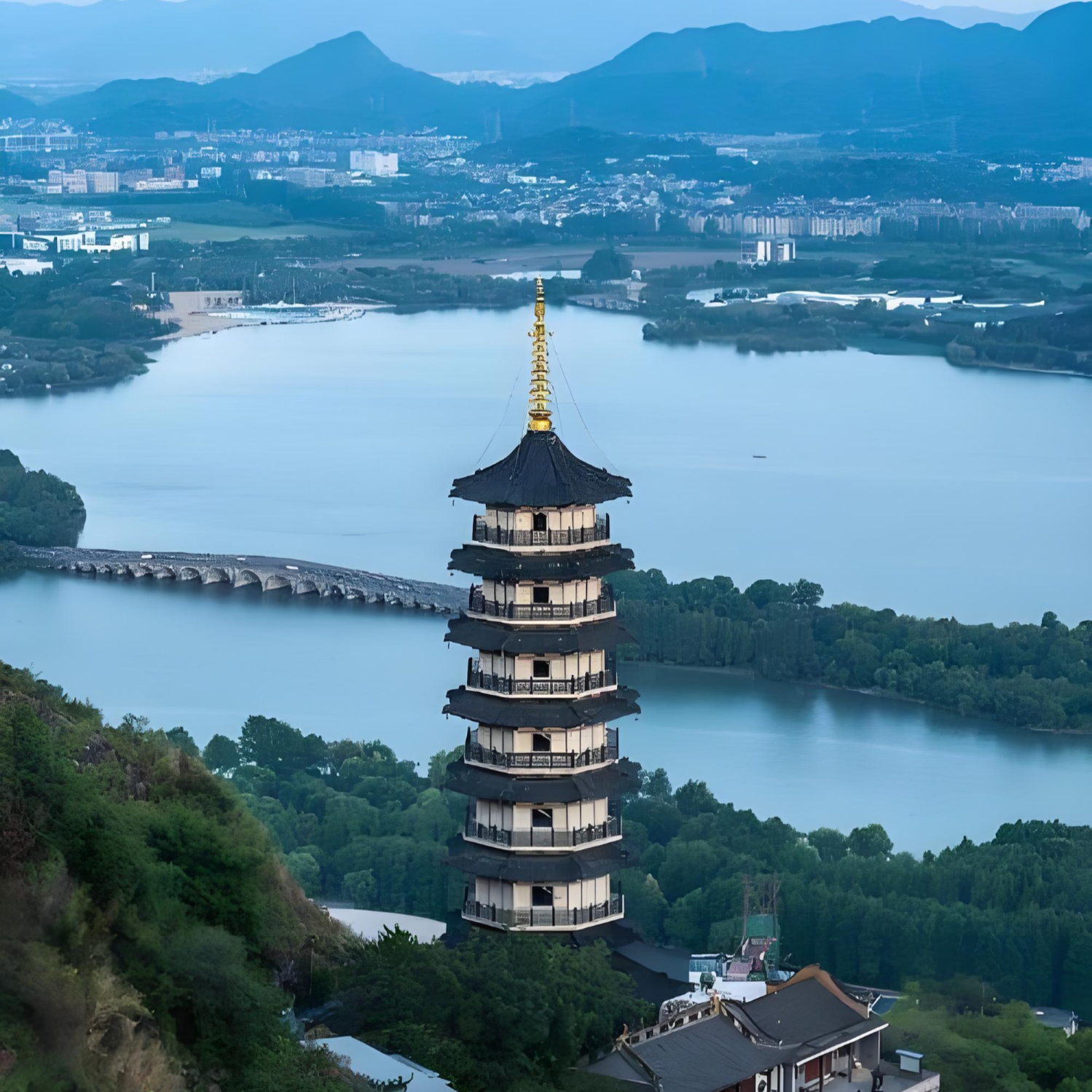


王质的一生行迹(1135-1189)
王质,字景文,号雪山,兴国军(今江西兴国)人,南宋诗人、学者。少年高才,与陆游、杨万里有交游。诗风清劲,著有《雪山集》。他一生不附权贵,以文章气节著称,在南宋诗坛有一定地位。
兴国(1135) · 兴国少时
宋高宗绍兴五年,王质出生于兴国军(今江西兴国),其家为儒学之家。王质自幼聪颖,读书过目不忘,少年时即以文才知名。他在兴国的山水间长大,性格刚直不阿,对功名富贵看得极淡。
临安(1157) · 入京及第
宋高宗绍兴二十七年,王质进士及第。他在临安应试期间结识了陆游、杨万里等人,成为文友。王质及第后并未急于做官,而是在临安游学,与诸文士切磋诗艺,诗名渐起。
建康(1162) · 仕途波折
宋高宗绍兴三十二年前后,王质赴建康(今南京)任地方属官。建康为六朝古都,山川形胜,他在建康期间遍游钟山、石头城等古迹,以六朝兴亡入诗,诗风在六朝烟水中增添了一层苍凉的底色。
临安(1165) · 仕途波折
宋孝宗乾道元年,王质被任命为太学正,但他在任上因直言触犯权贵,不久便被外放。此后他辗转各地任职,每到一处都与当地文士交游,诗歌创作日益精进。他的诗风清劲刚健,不事雕琢。
鄱阳(1170) · 临安交游
宋孝宗乾道六年前后,王质游历鄱阳湖畔,访友论诗。鄱阳湖浩渺烟波触动了他的诗思,他在湖畔写下了多首山水怀古之作。鄱阳的广阔天地使他的诗境更为开阔,不再局限于个人仕途的感慨。
临安(1175) · 临安交游
宋孝宗淳熙二年,王质在临安与陆游、杨万里等人诗酒唱和。此时的王质已年过不惑,诗风更加成熟。他在临安的文人圈中以清劲的诗风和刚直的人格著称,深受同道敬重。
兴国(1180) · 归隐雪山
宋孝宗淳熙七年,王质辞官归隐兴国,在雪山中筑室而居,自号"雪山"。他在隐居生活中读书著述,编撰了《雪山集》。他虽远离朝堂,但始终关心国事,常在诗文中表达对时局的忧虑。
兴国(1189) · 归隐雪山
宋孝宗淳熙十六年,王质病逝于兴国雪山,享年五十五岁。他一生刚直不阿,诗风清劲,虽仕途坎坷但文名远播。陆游闻讯后写挽诗,称其"文章气节,当世无双"。
The Life Journey of Wang Zhi, the Snow-Mountain Recluse
Wang Zhi (1135-1189), of Xingguo in Jiangxi, was the unbending one — a jinshi who delayed his own career to study, a palace-academy officer demoted for speaking too plainly, and finally a recluse who named himself after his mountain: 'Snow Mountain.' His style, contemporaries said, was clean and hard like the man; Lu You's elegy fixed him forever: 'in letters and in principle, without equal in the age.'
Timeline of the Journey
- 1135 · Xingguo — Born to a Confucian household in the hills of Xingguo: the boy who read once and remembered, and already treated rank and wealth as weather.
- 1157 · Lin'an — Jinshi at twenty-two — and no hurry: instead of office, the capital's literary circles, Lu You and Yang Wanli among the friends, the craft before the career.
- 1162 · Jiankang — A minor post under the southern capital: Zhongshan, the Stone City, the whole ghostly splendor of the Six Dynasties underfoot — the poems taking on their cold ground-note of rise and fall.
- 1165 · Lin'an — Rectifier of the Imperial Academy — briefly: the plain tongue against the powerful, and out again within the year. The pattern of his official life set: each post shorter than the last.
- 1170 · Poyang — The great lake: days with friends on the water, the horizon finally wider than his own grievances — the poems' range opening with the view.
- 1175 · Lin'an — Forty, and the round of poems and wine with Lu You and Yang Wanli complete: 'clean and hard, no carving' — the style his friends praised was the biography.
- 1180 · Xingguo — The resignation and the mountain: a house built in the Snow Mountains, the name taken, the Snow-Mountain Collection written — and the state's troubles still in every second poem.
- 1189 · Xingguo — Dead at fifty-five in the mountain house he named: Lu You's elegy — 'letters and principle, unmatched in this age' — the epitaph no office could improve on.
'The autumn river, one color with the long sky' — Wang Zhi wrote mountains clean of ornament because that is what he was: the age's 'unequaled' reputation was for the man, and the poems are simply the receipt.


