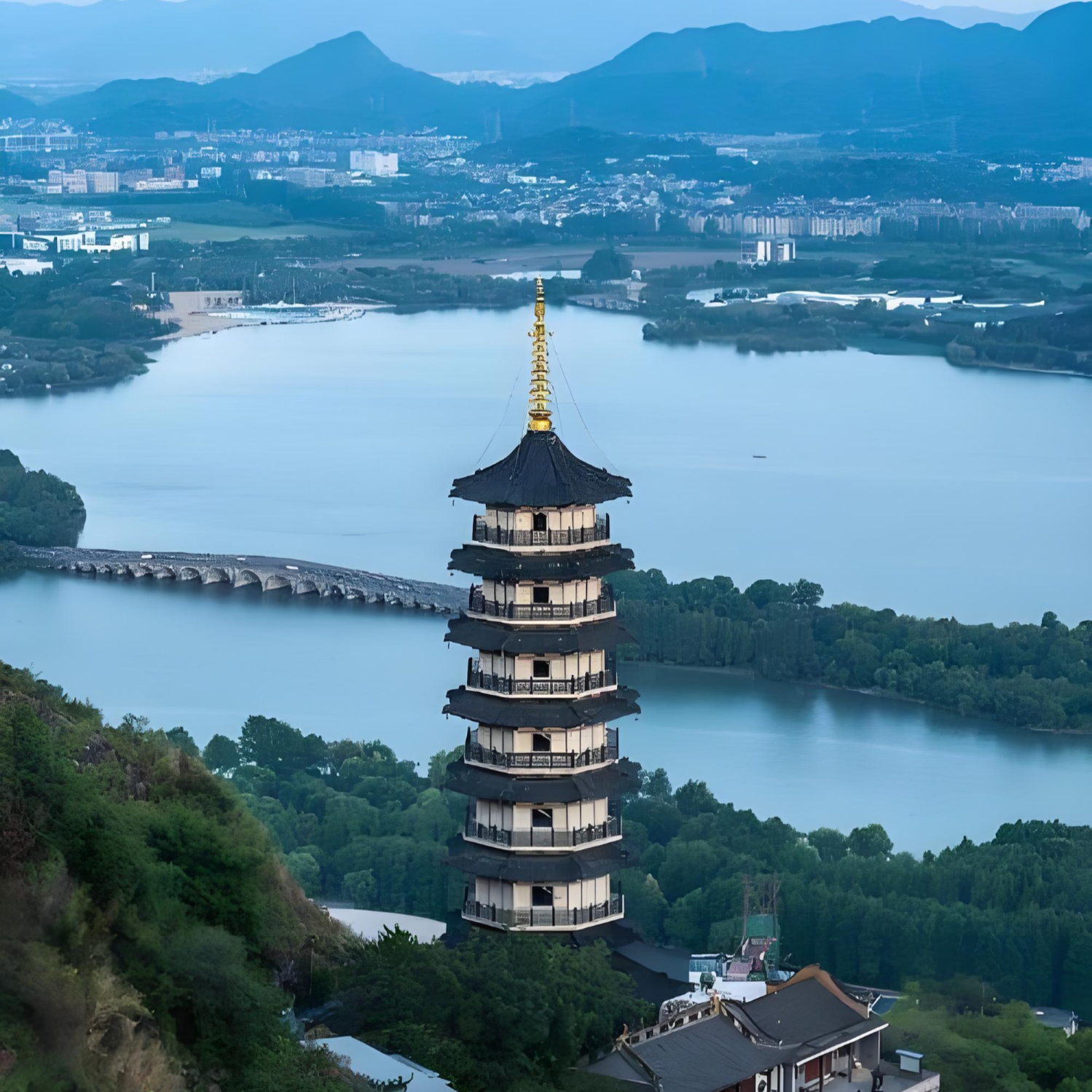


储光羲的一生行迹(706-763)
储光羲(约706-763),郡望兖州,润州延陵(今江苏丹阳)人。唐玄宗开元十四年进士,历任汜水、安宜等县尉,仕途失意后隐居终南山,与王维唱和,是盛唐田园诗派的代表诗人。后复出为太祝、监察御史,安史之乱中陷贼受伪职,乱平获罪,约于代宗初卒于贬所。
延陵(706) · 江南故里
唐中宗神龙二年(706年)前后,储光羲出生于润州延陵县(今江苏丹阳),郡望兖州。延陵是春秋吴公子季札的封邑,江南文脉深厚。他自幼生长于水乡,渡头落日、荷叶扁舟的江南风物深植诗心。
洛阳(725) · 京洛求仕
唐玄宗开元十三年(725年)前后,弱冠之年的储光羲负笈北上,漫游东都洛阳,献诗于洛阳道上的贵人吕四郎中,冀求援引。帝都的大道贵气与五陵少年的骄纵,尽收诗人眼底。
长安(726) · 京洛求仕
唐玄宗开元十四年(726年),储光羲在长安进士及第,与崔国辅、綦毋潜同出严迪之榜。放榜之日,十年苦读一朝得偿,他随即又应诏试文章于中书,名动京邑。
汜水(730) · 县尉沉沦
唐玄宗开元十八年(730年)前后,储光羲释褐出任汜水县尉。汜水地处虎牢关下、黄河南岸,为洛阳东面门户。县尉官微事杂,他亲见田家耕作的辛劳,写下大量悯农的田园诗篇。
终南山(740) · 终南唱和
唐玄宗开元二十八年(740年)前后,储光羲秩满辞官,隐居终南山。他与王维比邻唱和,《同王十三维偶然作》十首往来赓咏,诗名与"王孟"相埒,奠定其田园诗大家的地位。
安宜(748) · 县尉沉沦
唐玄宗天宝七载(748年)前后,隐居数载的储光羲再度出仕,南下淮南道任安宜县尉。安宜地处运河沿线、射阳湖畔,水乡泽国的风光唤醒了他记忆深处的江南旧梦。
新丰(750) · 终南唱和
唐玄宗天宝九载(750年)前后,储光羲北返京兆,途经骊山脚下的新丰县。新丰酒闻名天下,旧客重来,主人新酒初熟,温厚的乡情洗去了他的风尘倦意。
长安(陷贼)(755) · 乱离晚节
唐玄宗天宝十四载(755年)十一月,安禄山起兵范阳,次年六月长安陷落。时已在朝任监察御史的储光羲不及随驾西逃,身陷贼中,被迫接受伪职,一生清名由此蒙垢。
岭外(763) · 乱离晚节
唐代宗宝应二年(763年)前后,储光羲以陷贼罪系狱论刑,获赦后远贬岭外,约于此时卒于贬所,享年约五十八岁。一代田园诗宗,在瘴疠之乡寂寞辞世,朝野诗人闻之伤悼。
The Life Journey of Chu Guangxi, the Pastoral Master
Chu Guangxi (c. 706-763), of Yanling in Runzhou (Danyang, Jiangsu), was a leading pastoral poet of the High Tang. A jinshi of 726 who wearied of small county posts, he retired to the Zhongnan Mountains to live beside Wang Wei and write farm verse of the fields' real labour; trapped in fallen Chang'an during the An Lushan revolt, he was convicted of accepting rebel office and died in exile beyond the ranges.
Timeline of the Journey
- 706 · 延陵 — Born at Yanling, old fief of the Sage of Yanling; the water country of the south — ferry landings, lotus skiffs — rooted itself in his verse.
- 725 · 洛阳 — Presenting poems along the Luoyang Way to the mighty — its great avenue 'straight as a hair,' its young lords ringing with jade.
- 726 · 长安 — Passed the jinshi in Chang'an in the same list as Cui Guofu and Qi Wuqian; his trial essay at the Secretariat made his name in the capital.
- 730 · 汜水 — At Sishui below Hulao Pass he saw the peasants' toil at first hand, writing farm poems of dawn ploughing and oxen.
- 740 · 终南山 — Resigning office he hid in the Zhongnan Mountains, chanting in turn with Wang Wei — ten 'Casual Compositions' exchanged — ranked with Wang and Meng.
- 748 · 安宜 — Called south again to Anyi on the canal and Lake Sheyang, the water country woke his Jiangnan memories.
- 750 · 新丰 — Passing Xinfeng below Mount Li, the old inn's new wine and the host's warmth washed the road's dust away.
- 755 · 长安 — When Chang'an fell he could not follow the emperor's flight; forced office under the rebels stained a clean name.
- 763 · 岭外 — Convicted after the revolt, pardoned, banished beyond the ranges, he died in the miasmal south at about fifty-eight — the pastoral master mourned by all who wrote.
'The pool so clear the water seems shallow; the lotus stirs — fish scatter.' Chu Guangxi brought the farm's own labour and the river country's light into Tang pastoral poetry; the dynasty's collapse wrote his ending, but not his lines.


