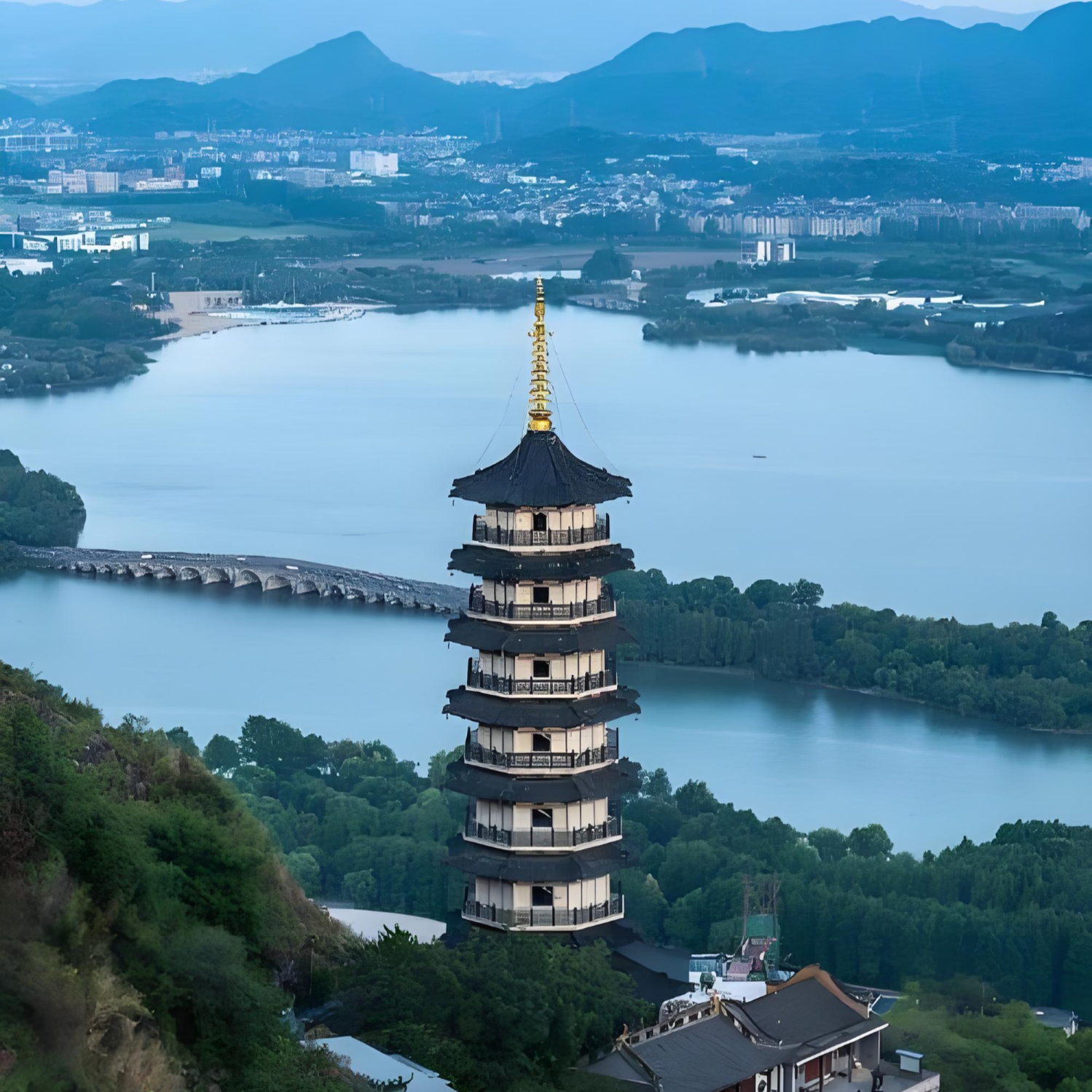


范成大的一生行迹(1126-1193)
范成大(1126-1193),字致能,号石湖居士,苏州吴县(今江苏苏州)人,南宋诗人、名臣。绍兴二十四年进士,官至参知政事。曾出使金国争礼仪,全节而归。晚年归隐苏州石湖,作《四时田园杂兴》六十首,被誉为中国古代田园诗的集大成。
苏州(1126) · 苏州少年
宋钦宗靖康元年(1126年),范成大出生于苏州吴县(今江苏苏州)。幼年遭靖康之变,随家南渡。少时家贫而好学,十四岁丧父、十八岁丧母,然力学不辍,后从昆山毛氏学诗,在苏州石湖畔度过了青少年时光,石湖山水成为他一生诗魂的栖息之所。
临安(1154) · 临安入仕
宋高宗绍兴二十四年(1154年),范成大登进士第,授新安掾。后入临安历任秘书省正字、吏部郎官等职,与杨万里、陆游、尤袤同朝交游,南宋四大家的友谊网络在临安织就。
处州(1157) · 临安入仕
宋高宗绍兴二十七年(1157年)前后,范成大被授处州知州(今浙江丽水)。处州山水清绝,他在任上兴修水利、减轻赋税,使处州百姓安居。公务之暇,他遍游处州名胜,南明山、瓯江的秀美风光融入了他的诗境。
燕京(1170) · 使金全节
宋孝宗乾道六年(1170年),范成大以资政殿大学士出使金国,使命是交涉南宋皇帝接受金国册礼之仪——此乃国耻。他至燕京(今北京)面金世宗,"词气慷慨,金君折服",全节而归。使金途中他经过汴京、洛阳、燕京等故土,写下七十二首纪行诗,是南宋爱国诗的重要篇章。
桂林(1175) · 桂林帅蜀
宋孝宗淳熙二年(1175年),范成大以敷文阁待制知静江府、兼广南西路经略安抚使,帅桂(今广西桂林)。桂林山水甲天下,他在此三年,靖蛮夷、修水利、减赋税,政绩卓著。公务之余遍游桂山漓水,留下大量吟咏桂林山水的诗篇。
成都(1178) · 桂林帅蜀
宋孝宗淳熙五年(1178年),范成大移知成都府、兼四川制置使,帅蜀。在成都,他整顿军务、修复水利、减盐税、兴文教,"治蜀最久,政化大行"。公务之余,他常至浣花溪、杜甫草堂,与陆游诗酒唱和,蜀中岁月是二人友谊最浓的时光。
苏州(1183) · 石湖归隐
宋孝宗淳熙十年(1183年),范成大罢参政后归居苏州石湖,建别墅于湖畔,自号"石湖居士"。此后十余年,他杜门谢客,潜心田园诗创作,完成《四时田园杂兴》六十首,将中国古代田园诗推向集大成的巅峰。
苏州(1193) · 石湖归隐
宋光宗绍熙四年(1193年),范成大病逝于苏州石湖,享年六十八岁。朝廷赠少师,谥"文穆"。他在石湖别墅中安详辞世,从少年苦读到晚年归隐,一生画了一个完满的苏州之环——始于此,终于此,石湖为证。
The Life Journey of Fan Chengda, Master of the Fields
Fan Chengda (1126-1193), the 'Master of Stone Lake,' of Suzhou, orphaned young, rose to Executive of the Grand Council and led the mission of 1170 to argue the humiliating investiture rites with the Jin — and returned unbowed. His sixty 'Mixed Poems of the Four Seasons in the Fields' made him the summation of Chinese pastoral verse.
Timeline of the Journey
- 1126 · 苏州 — Born in Suzhou the year the north fell; orphaned at fourteen and eighteen, he studied on through poverty by Stone Lake.
- 1154 · 临安 — Jinshi at twenty-eight; in the capital his circle — Yang Wanli, Lu You, You Mao — wove the 'Four Masters of the Southern Song.'
- 1157 · 处州 — Prefect of Chuzhou: heirs, canals and lightened taxes amid some of the finest hills in Zhejiang.
- 1170 · 燕京 — Envoy to the Jin at Yanzhou (Beijing) to contest the investiture ritual: 'his words were so proud the Jin ruler yielded' — he came home whole. At the Zhou Bridge, old men wept for the lost north; he wrote it down.
- 1175 · 桂林 — Commander of Guangnan West at Guilin: pacified the tribes, cut taxes, mapped the 'Guihai' — 'east or west, no peak is not king.'
- 1178 · 成都 — Governor of Chengdu and Sichuan commissioner: armies re-ordered, salt-tax halved, and the Huanhua Stream with Lu You for company.
- 1183 · 苏州 — Retired to Stone Lake: 'in the day we weed, the seedlings drink' — sixty field poems, spring to winter, the farmers' whole year made art.
- 1193 · 苏州 — Died at sixty-eight at Stone Lake, Duke-Teacher posthumously, 'Wenmu' — a life drawn as a circle from Suzhou back to Suzhou.
'The children do not know how to plow and weave, yet learn to plant melons by the shade of the mulberry.' Fan Chengda took the almanac of village labor and gave it permanence — no one after him needed to write the fields again.


